


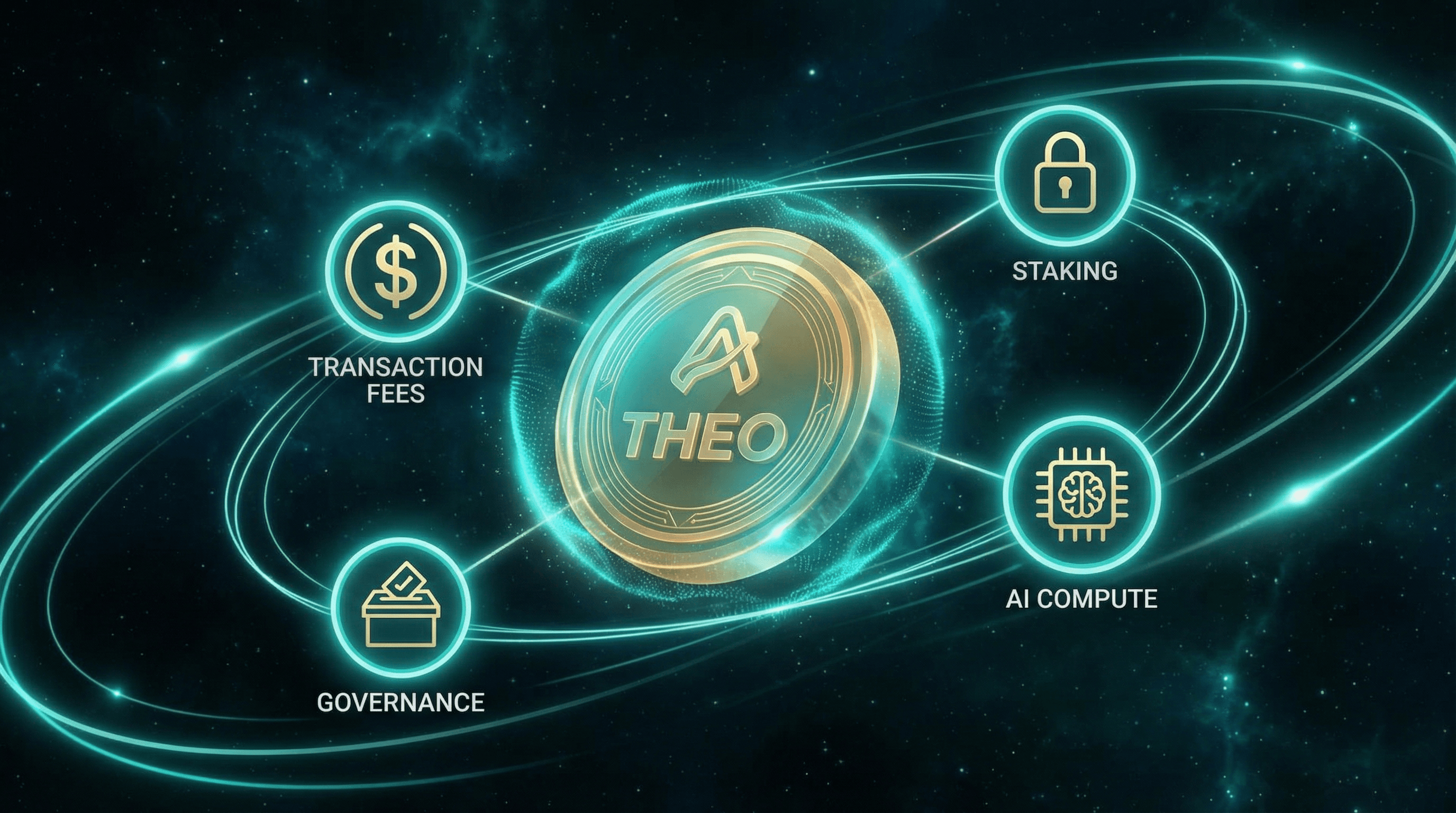
What Is the THEO Token? Utility, Tokenomics, and Use Cases
THEO is Autheo's native utility token serving five simultaneous use cases — transaction fees, compute access, storage, AI inference, and governance — backed by a fixed maximum supply, validator emission schedule, and multi-dimensional demand from the full-stack Web3 OS ecosystem.
Read more →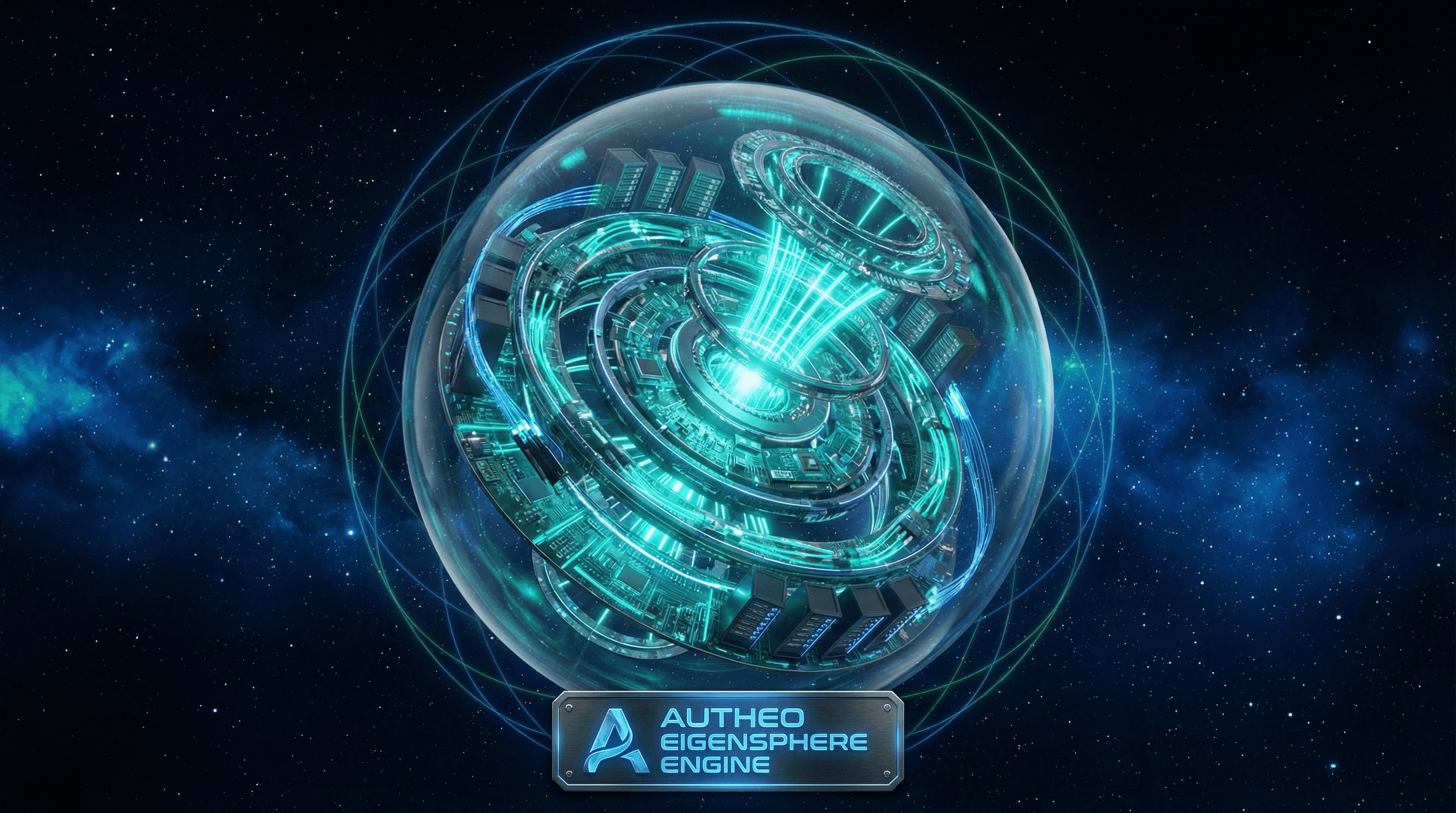
How Autheo's Eigensphere Engine Works
The Autheo Eigensphere Engine (AEE) is a quantum-secure, cross-ecosystem runtime that merges consensus (QSDAG), secure execution (QIES Enclaves), AI orchestration (THEO AI), and multi-language smart contracts (GrappLang) into one modular framework — enabling Autheo nodes to process, learn, and adapt rather than simply validate.
Read more →
How Autheo Bridges Web2 and Web3 Without Fragmentation
Autheo bridges Web2 and Web3 by providing a unified infrastructure layer with incremental adoption paths — letting enterprises add tokenized rewards, decentralized storage, and on-chain identity to existing platforms without rebuilding their entire technology stack.
Read more →
What Is Autheo? The Complete Guide to the Collective and Living OS
Autheo is the world's first Layer-0 Operating System with an integrated Layer-1 blockchain, combining interoperability, AI orchestration, decentralized compute, post-quantum identity, and developer tooling into a single unified platform for the Living Internet.
Read more →
Introduction to Autheo: Building the Living Internet
The internet is being rebuilt — not replaced, but re-rooted into something dynamic: the Living Internet.
Read more →
Announcing the Autheo ($THEO) Token Airdrop
The long-awaited $THEO airdrop is here. Discover how to qualify and participate.
Read more →
Using the Ethereum Virtual Machine (EVM) on Autheo
Autheo is fully EVM-compatible, bridging Ethereum projects and the Cosmos architecture.
Read more →
Why Developers Are Excited to Build on Autheo
Autheo provides developers with a robust, flexible and adaptable blockchain environment.
Read more →