


What Is a Layer-0 Blockchain? Everything You Need to Know
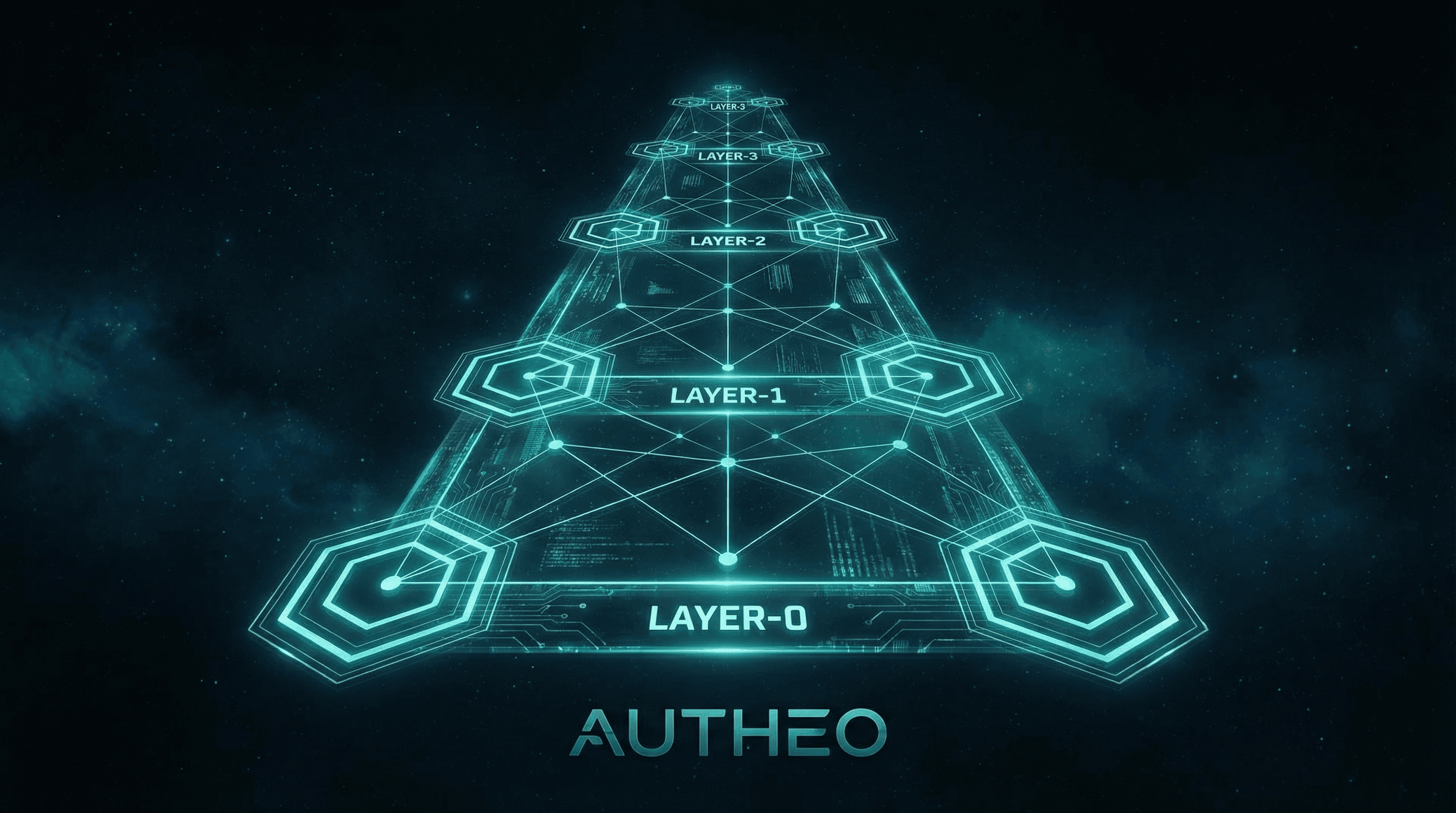
A Layer-0 blockchain is the foundational infrastructure layer that sits beneath Layer-1 blockchains like Ethereum or Bitcoin. It provides the protocols, communication standards, and shared security that enable multiple independent blockchains to interoperate and exchange value without relying on centralized bridges. Think of it as the TCP/IP of the blockchain world, the invisible backbone that makes the whole internet of blockchains possible.
Loading tweet...
The Problem Layer-0 Solves
Before Layer-0, every blockchain was an island. Bitcoin couldn't talk to Ethereum. Ethereum couldn't natively communicate with Solana. Users who wanted to move assets between chains had to rely on custodial bridges, third-party systems that held funds and introduced significant security risks. Several of the largest crypto exploits in history, including the Ronin Bridge hack ($625 million) and the Wormhole exploit ($320 million), occurred precisely because these bridge systems created honeypot targets.
Layer-0 protocols solve this by creating a native communication fabric. Instead of bolt-on bridges, chains built within a Layer-0 ecosystem share a common messaging standard. Data and value can flow between them the same way data flows between servers on the internet, with verifiable, trustless rules encoded at the protocol level.
How Layer-0 Works Technically
A Layer-0 protocol typically consists of three core components: a networking layer that routes messages between chains using peer-to-peer protocols, a consensus mechanism that helps multiple chains agree on shared state, and an interoperability feature set that standardizes how chains format, send, and verify cross-chain messages.
Cosmos uses its Inter-Blockchain Communication (IBC) protocol to achieve this. IBC standardizes how connected chains prove state and pass packets. Polkadot takes a different approach with its Relay Chain, which coordinates security and cross-chain messaging for its connected parachains. Avalanche's subnets allow developers to launch custom blockchain networks with configurable rules, all connected at the Layer-0 level.
Importantly, Layer-0 doesn't run smart contracts or store user transactions directly. Its job is coordination and communication, not execution. Execution happens on Layer-1 chains built on top of it.
Layer-0 vs Layer-1 vs Layer-2: Quick Comparison
Layer-0 connects networks and provides shared infrastructure for interoperability and sometimes shared security. Typical users are developers building multi-chain systems and custom chains.
Layer-1 (like Ethereum, Bitcoin, or Solana) is the core chain for transaction execution and settlement. It runs smart contracts, finalizes transactions, and anchors security.
Layer-2 (like Optimism, Arbitrum, or Lightning Network) is a scaling solution built on top of Layer-1. It reduces congestion and fees by batching or offloading transactions.
Layer-3 contains user-facing decentralized applications (dApps) and application-specific optimizations.
Real-World Layer-0 Projects
Cosmos Hub describes itself as an 'internet of blockchains.' Its zones (independent chains) connect via IBC, and each zone maintains its own security model. Over 100 chains are now connected in the Cosmos ecosystem, processing billions in daily volume.
Polkadot uses a Relay Chain to coordinate consensus and messaging across parachains. Parachain slots are auctioned, creating a competitive ecosystem of specialized chains sharing Polkadot's pooled security.
Avalanche supports customizable subnets, application-specific chains that connect to the main network. Enterprises and gaming projects have launched dedicated subnets optimized for their specific workloads.
Autheo is building a Layer-0 Operating System with an integrated Layer-1 blockchain, taking a step beyond traditional Layer-0 by embedding AI, compute, storage, and decentralized identity directly into the infrastructure layer itself.
Why Layer-0 Matters for the Future of Web3
By 2026, multi-chain is the default. No single blockchain can do everything, not with the diverse requirements of DeFi, gaming, enterprise, social, and identity applications all competing for blockspace. Layer-0 is the architectural answer to this reality.
According to data from the Binance Blockchain Layers report, Layer-0 protocols like Polkadot (12-60 second finality), Cosmos (1-3 seconds via Tendermint BFT), and Avalanche (1-2 seconds) each prioritize different tradeoffs. This diversity of approaches is a feature, not a bug, it means developers can choose the right Layer-0 for their specific requirements.
As decentralized AI, real-world asset tokenization, and enterprise blockchain deployments accelerate, the demand for robust Layer-0 infrastructure will only increase. The chains that survive will be those built on foundations designed for interconnection from day one.
Key Takeaways
- Layer-0 is the foundational infrastructure beneath Layer-1 blockchains, enabling cross-chain communication and interoperability.
- It solves the 'island problem', where blockchains in isolation can't exchange value or data natively.
- Leading Layer-0 protocols include Cosmos (IBC), Polkadot (Relay Chain), and Avalanche (Subnets).
- Layer-0 does not run dApps or store transactions, it coordinates and connects Layer-1 chains.
- Autheo is building the next generation of Layer-0 with an integrated OS model that includes AI, compute, and identity.
- In a multi-chain world, Layer-0 is not optional infrastructure, it is the foundation on which the connected web is built.
Ready to build on the most advanced Layer-0 OS in Web3? Explore the Autheo ecosystem at autheo.com or dive into our technical documentation at docs.autheo.com.
Gear Up with Autheo
Rep the network. Official merch from the Autheo Store.

Columbia Soft Shell Jacket
From $105

Champion Packable Jacket
$55

Hardcover Notebook
$18

Premium Heavyweight Tee
From $25
Theo Nova
The editorial voice of Autheo
Research-driven coverage of Layer-0 infrastructure, decentralized AI, and the integration era of Web3. Written and reviewed by the Autheo content and engineering teams.
About this author →Get the Autheo Daily
Blockchain insights, AI trends, and Web3 infrastructure updates delivered to your inbox every morning.